
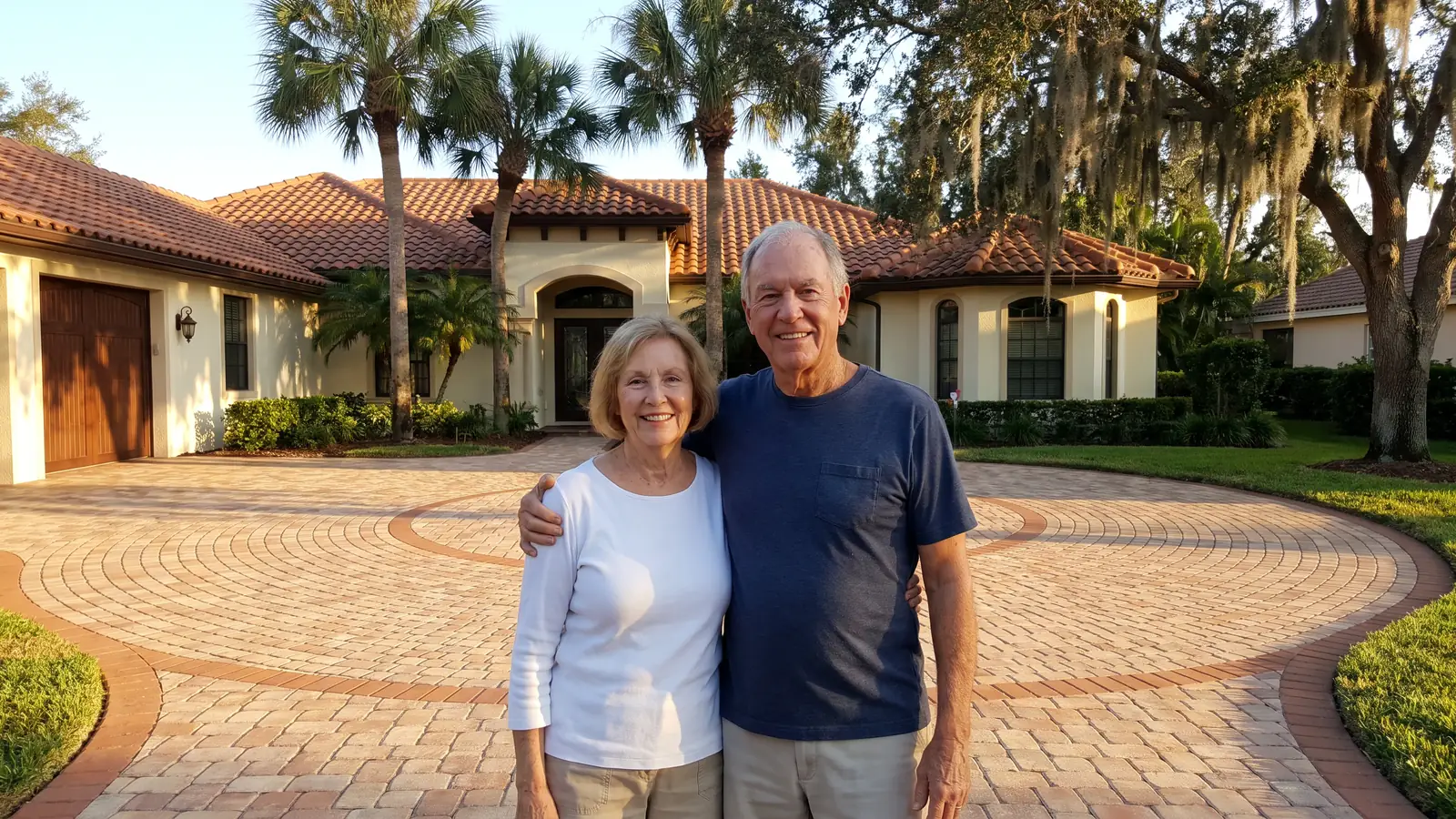
Paver sealing for St. Augustine homes
Paver Sealing in St. Augustine, FL
Pavers fading in St. Augustine? Get local help from Paver Sealing Ponte Vedra Beach. Call (904) 694-6107
- Brings out deeper paver color
- Fresh joint sand helps lock pavers in place
- Gives weeds less room to grow
- Makes the surface easier to keep clean
- Free estimate, no obligation
Request a Free Estimate
Free, no obligations.
Fast, careful paver sealing help in St. Augustine
Need paver sealing in St. Augustine? A local contractor can clean, re-sand and seal your driveway, courtyard or walkway, and the estimate is free with no obligation to hire anyone. Once you request a quote, look for an answer within 1 business day, usually much sooner.
After a high tide, a low courtyard can be left with a gray film and joints that have gone soft and sandy. A careful wash, new sand and a fresh coat bring back the color and make the next cleanup a lot easier. To talk it over before you decide, call (904) 694-6107 and say when the water last came through, with no obligation to go ahead.
Why St. Augustine chooses Paver Sealing Ponte Vedra Beach
Old streets, low ground and historic rules make paver work in St. Augustine a little different from the suburbs. To find out how that applies on your block, request a quote.
A free look at your pavers
A contractor checks your St. Augustine driveway or courtyard at no charge, and you get a price first.
A range to hold a bid against
For St. Augustine work, regional companies commonly publish $1.50 to $2.50 per square foot for washing, sanding and sealing.
A date that respects the tides
Sealer needs a dry surface, so a St. Augustine date is best set around both rain and high water.
Your say on the finish
You pick matte or wet look and choose the day, and a St. Augustine estimate carries no obligation.
Get Your Free Estimate in St. Augustine
Tell us about your pavers in St. Augustine.
Free, no obligations
What paver problems show up most in St. Augustine?
Rain and high tide at the same time
The city says St. Augustine can flood when ordinary rain lands at the same time as high tides. Riberia Street flooded in October 2025 during a nor'easter with King Tides and a supermoon, and the city had to close it. If water has crossed your pavers, it may have left grit behind and pulled sand from the joints. A St. Augustine contractor has to clear all of that before any sealer goes on, or the coat seals the mess in.
Storm water that reached the old neighborhoods
City records list Davis Shores, Lincolnville, the Historic Districts and parts of Abbott Tract among the areas Hurricane Matthew flooded in 2016. Irma hit many of the same places the next year, and King and Granada streets went underwater during Matthew. Pavers that have sat under storm water can hold a film that a quick rinse will not move, even after the surface looks clean. Sealer would trap that film, so the wash has to be thorough before anything else happens.
Ground that drains slowly
The city says some local soils drain poorly and that some older drainage cannot handle current demand. For a St. Augustine homeowner, that can mean pavers that stay wet long after the rain stops, especially in a low courtyard. A low courtyard can hold up the whole job for days, since sealer has to go on a dry surface and low spots dry last. Ask the contractor to look at where water sits on your lot and how long it takes to go away after a normal rain.
Sand that was never right for the joints
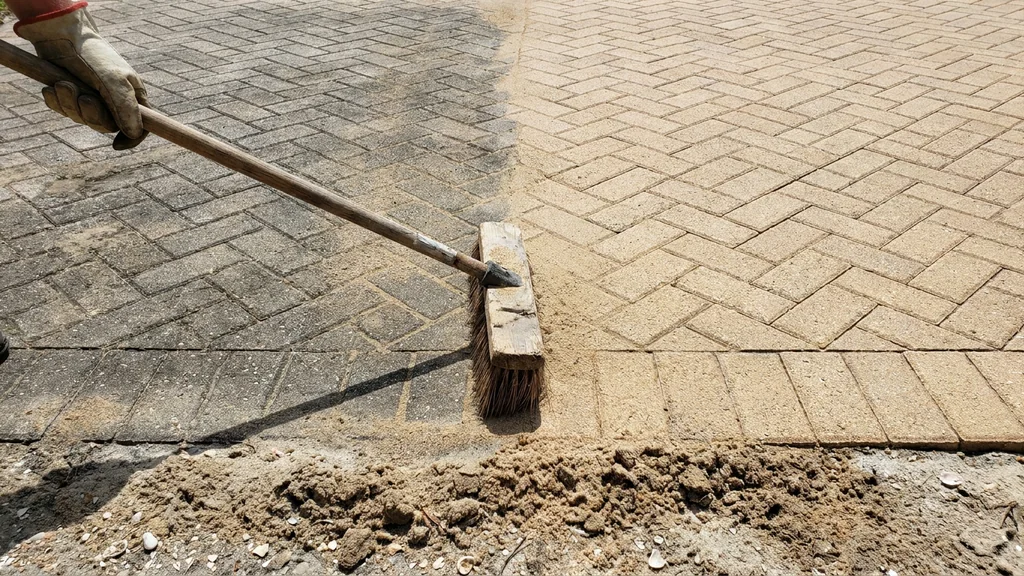
A St. Augustine area company says most local paver installs used play sand, which was cheap and does not stay put. Heavy summer downpours and irrigation then carry it away a little at a time, until the joints sit well below the pavers. Once joints widen, soil settles in and weeds follow, sometimes all along the edge of a walkway. New joint sand goes in before sealing, which gives those joints something that will hold through the next rainy season.
Historic rules that apply to your block
St. Augustine has five Historic Preservation zoning districts, and the city says most work inside them needs a Certificate of Appropriateness. The city page does not mention paver sealing by name, and it notes that review is not always required. Replacing features with matching materials may be handled by staff, without going before the board. A quick check with city staff before work begins can save you trouble later, even for a simple recoat.
Do paver jobs differ between Lincolnville, Abbott Tract and the Model Land district?
Yes, because each of these old neighborhoods has its own shape and its own water. Lincolnville, founded by freedmen in 1866, has narrow streets, small lots and houses close to the street, so there is little room for gear. Abbott Tract covers 17 residential blocks between Matanzas Bay and San Marco Avenue. Tell the contractor which one you live in when you request a quote, because access and flood history differ.
The Model Land Company district runs between Ponce de Leon Boulevard and King, Cordova and Orange streets, and it holds 238 historic buildings. A paver courtyard behind one of those homes may need gear carried in by hand. Tight access takes more time than an open drive, so it helps to mention it early and keep it in the quote. Call (904) 694-6107 and describe how a crew would reach your pavers.
National Register listing and city zoning are two separate things, so check your address on the city's zoning map before planning a color change. If your home falls in one of the five preservation districts, ask city staff whether your work needs review before you book it. Matching what is already there may be handled without a hearing, according to the city. Once you know what applies in your part of town, request a quote.
What does paver sealing cost in St. Augustine?
To clean, sand and seal here, compare quotes against the $1.50 to $2.50 per square foot regional companies commonly publish. In the old city, the things that move a job inside that range are flood grit, missing joint sand and tight access. A small courtyard can take longer per foot than a wide suburban drive. To price the pavers at your address, request a quote, and the estimate is free.
A Jacksonville paver company says drying gets harder in humid months, and a low lot near the water can lengthen that wait. Gates and narrow side yards also change a quote, since gear may need to be carried in by hand. If your pavers have sunk, the repair comes first and adds to the total. Call (904) 694-6107 and describe your block so nothing catches you off guard on the quote.
| Paved area | Typical example | Clean, sand and seal |
|---|---|---|
| 300 sq ft | Small patio or walkway | $450 to $750 |
| 600 sq ft | Two car driveway | $900 to $1,500 |
| 1,000 sq ft | Large driveway or pool deck | $1,500 to $2,500 |
| 1,500 sq ft | Driveway plus pool deck | $2,250 to $3,750 |
Math based on the $1.50 to $2.50 per square foot that Northeast Florida paver companies published as of November 2026. Your contractor sets the actual price after seeing the surface. Repairs, leveling and stripping failed sealer are usually extra.
How does a paver sealing job work in St. Augustine?
Look at where the water goes
The contractor starts by seeing how your St. Augustine pavers drain and whether water has crossed them in recent storms. Sunken spots get repaired before sealing, since a coat locks in whatever is there, including dips left by past storms. If the surface has been sealed before, the old product matters, because water-based sealer cannot go over solvent-based sealer. Tell the contractor about the last time your street flooded, even if it was years ago.
Wash away the grit and film
Cleaning comes next, with care taken around older masonry and any wood where the pavers meet the house. Pressure has to stay controlled so joints are not blown out, and trade guidance says a wide nozzle helps. On a St. Augustine lot that has taken storm water, this stage may take a second pass, with drying time between rinses. Rust and other stains get treated now so they are not sealed in for years.
Bring the joints back
With the wash done, the joints sit low, and fresh sand has to fill them before sealing. In a narrow courtyard this work is often done by hand, a section at a time, since equipment may not fit. Weak fill gets replaced at this point, since joint sand is made to stay where play sand does not. If a St. Augustine patio has been losing sand for years, expect this step to run longer than the wash.
Watch the rain and the tide table
Sealer must go on a dry surface, and St. Augustine gets about 50.6 inches of rain a year, with a wet season May through October. A high tide can matter as much as a cloudy day on the lowest streets. A careful contractor checks both before setting a date and leaves room to move it if the weather turns. The drier months from November through April usually leave more room to work.
Seal in a finish that suits the house
The coat goes down next, often sprayed and then back-rolled so it reaches the sand in the joints. Beside an older St. Augustine home, matte tends to look more at ease than a high gloss. A wet look also shows scuffs sooner, which matters on a tight drive where tires turn in the same spot every day. Around St. Augustine, companies commonly quote two to five years between coats, so ask where your exposure puts you and what would shorten that time.
Complete paver services in St. Augustine
A job here has four stages that always run in the same order. The pavers get washed, new sand fills the joints, the surface dries, and the sealer goes on last. On a low lot near the water, drying is often the stage that takes the longest. To ask how long yours would take, call (904) 694-6107 and describe your layout and the last time it flooded.
Courtyards, driveways, walkways and garden paths each come with their own trouble in the old city. A courtyard may stay damp long after rain, and a narrow side path may be reached only on foot. Older masonry beside the pavers calls for care with rinse water, so it does not sit against the wall. Note which of these you have when you request a quote.
Choosing a sealer comes down to water-based or solvent-based, and then matte or a wet look. If someone used a solvent-based product before you, a water-based coat cannot go over it, so the old coat narrows your choice. On a historic street, matte often sits more quietly beside old walls, though a wet look adds depth. Call (904) 694-6107 and the contractor can show you samples of each.
The dry season here runs from November through April, and that is usually the easier stretch to book. From May through October, summer thunderstorms can push a date, and a high tide can cover the lowest streets. Planning around both keeps wet pavers from getting sealed, which can ruin a new coat. To get on the calendar before the rainy months, request a quote.
Questions to ask before you hire
- Are the power washing and joint sand covered in your quote?
- Can I see wet look and matte samples before I choose?
- How long do your coats tend to hold up this close to salt air?
- Will you send me a copy of your insurance and any license this work needs?
- What brand of sealer do you plan to use on my pavers?
- How do you keep the new sand from washing out?
- Can you do a test patch before you start?
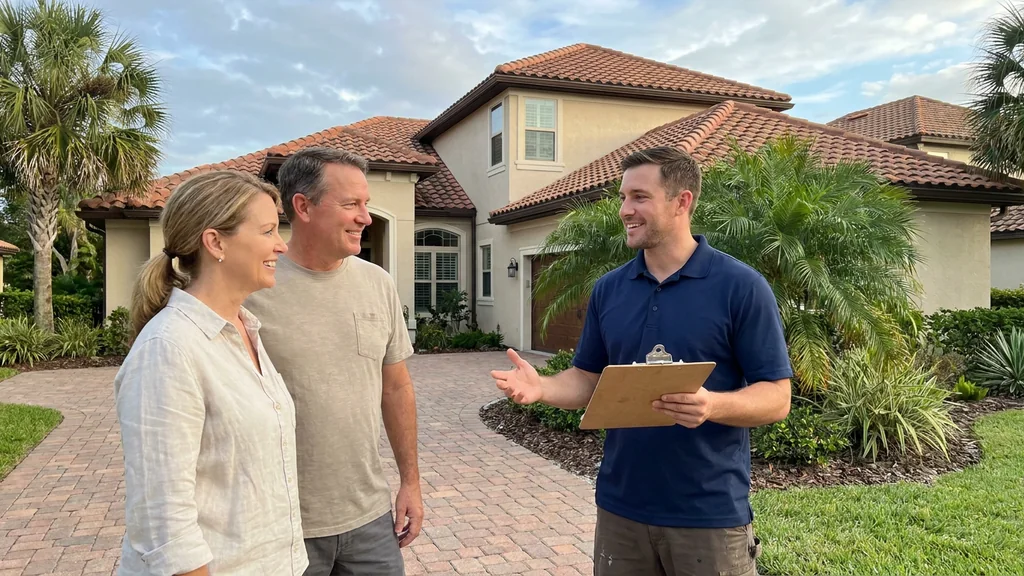
Why local matters in St. Augustine
A contractor who knows this city will ask when water last reached your pavers. Flooding here can come from rain, tide or both at once, and that history decides how much cleaning comes first. A street that flooded once can carry sand and grit in the joints long after it dries. Someone from out of the area may not think to ask, so call (904) 694-6107 and bring it up yourself.
Knowing the zoning map helps as well, since a home in one of the five preservation districts may need city review for exterior work. A local contractor should expect the question and can give you product details if city staff want them. That can save you a trip or a delay at the counter. You can request a quote and mention your district, with no obligation to hire anyone for the job.
Old lots also change how the work gets done, since small yards, tight gates and houses close to the street limit where equipment can go. A contractor used to these blocks plans for that before arriving and brings what fits through the gate. Call (904) 694-6107 and describe your lot, including how anyone would reach the back.
Why does it help to hire someone who knows St. Augustine's older streets?
Because many of these streets were laid out long before anyone thought about driveways. Flagler College, the Lightner Museum and the Cathedral Basilica anchor the old downtown, with the Castillo de San Marcos at its edge. Matanzas Bay lies just off the city and opens to the inlet, so the water is never far away. If you live near downtown and your courtyard needs care, request a quote and say what the water has done there.
Farther out, Maria Sanchez Lake, Oyster Creek and the San Sebastian River are all on the city's list of flood sources. Santa Rosa, near the San Sebastian, floods during King Tides, and Riberia Street has closed for high water. Knowing which of these sits near your home tells a contractor what to look for before arriving. Call (904) 694-6107 and name the nearest street or landmark, and expect a straight answer about timing.
Frequently Asked Questions
What is the average cost to seal pavers in St. Augustine, Florida?
St. Augustine homeowners can use $1.50 to $2.50 per square foot, the figure Northeast Florida companies commonly publish for cleaning, sanding and sealing. Flood grit, lost joint sand and tight access move a job around in that range. Get the measured area in writing so you can check the math.
How much should I pay for paver sealing around St. Augustine?
A fair St. Augustine quote should sit near the published range and spell out the washing, the joint sand and the sealer. Ask what is left out, since repairs to sunken pavers are priced apart. A Jacksonville paver company says stripping a failed coat adds cost as well. Compare quotes line by line, not by the bottom number.
How much does it cost to seal outdoor pavers in a St. Augustine courtyard?
A courtyard is priced by the square foot like any other surface, though tight access can push it toward the top of the range. Gates and narrow side yards are common reasons a quote moves, according to an area paver company. Send a photo of the way in, so the price reflects how gear reaches your courtyard.
Is it good to seal pavers in St. Augustine, Florida?
Yes, as long as the pavers are level and sound. A local paver company says sealing is optional but guards against stains, fading and erosion. Around the old city, rain and tide can strip joint sand, so new sand and a fresh coat have real work to do. Sunken pavers need repair first.
Do I need city approval to seal pavers in a St. Augustine historic district?
You may, so check before you book. The city says most work in its five Historic Preservation zoning districts needs a Certificate of Appropriateness. It does not name paver sealing, and it says review is not always required. Look up your address on the city's zoning map, then ask city staff.
How soon can St. Augustine pavers be sealed after a flood?
They can be sealed once they are clean and fully dry. High water can leave grit on the surface and pull sand from the joints, so the wash and the new sand come first. Low lots dry last, so ask the contractor to check the lowest corner before setting a date.
How often should St. Augustine pavers be recoated?
St. Augustine pavers usually get a new coat every two to five years, going by what companies commonly quote. One local paver company recommends three to five years, depending on traffic, weather and wear. Water that beads on the surface means the current coat is still doing its job.
Will sealer make my St. Augustine courtyard slippery?
That comes down to your surface, your finish and how the area drains, according to a Ponte Vedra Beach paver company. A local company says its water-based product does not leave a slick surface. Ask to see a small sample on your St. Augustine pavers before the whole area gets coated.
Ready for a Free Estimate in St. Augustine?
Call (904) 694-6107 and tell us about your pavers.
Free, no obligations